De Rossi, G;
Qiu, AW;
Berg, M;
Burgoyne, T;
Martello, A;
Da Vitoria Lobo, ME;
Rizzi, M;
... Moss, SE; + view all
(2025)
Leucine-rich α-2-glycoprotein 1 initiates the onset of diabetic retinopathy in mice.
Science Translational Medicine
, 17
(182)
, Article adn6047. 10.1126/scitranslmed.adn6047.

Preview |
Text (Article)
De Rossi_et al. - LRG1 in DR_ArticleContent_v8.pdf Download (427kB) | Preview |
Preview |
Text (Supplemental material)
De Rossi_et al. - LRG1 in DR_SupplementalMaterial_v6.pdf Download (4MB) | Preview |
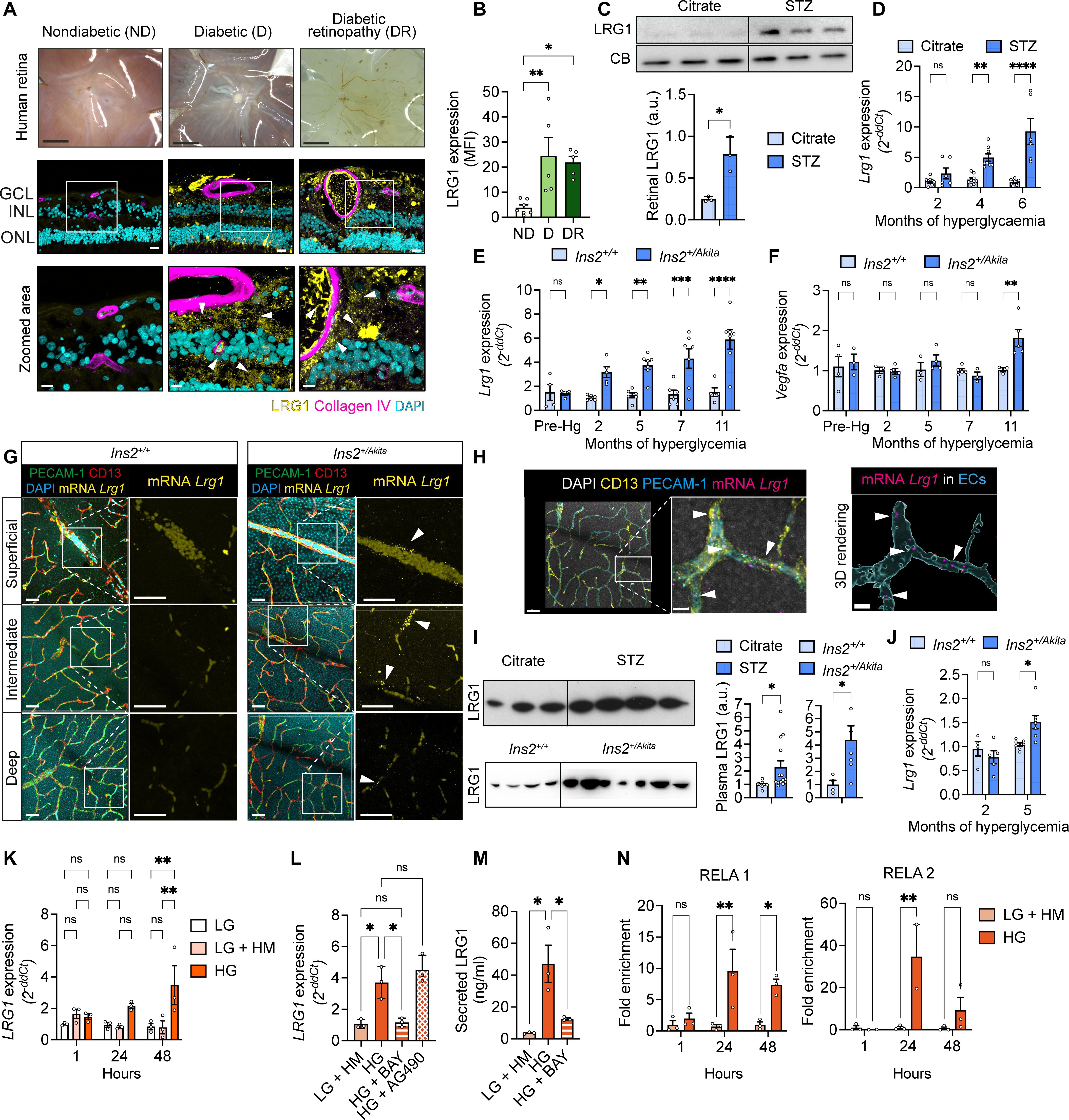
![[thumbnail of Figure 1]](https://discovery.ucl.ac.uk/10216003/5/De%20Rossi_scitranslmed.adn6047-f1.jpg)  Preview |
Image (Figure 1)
De Rossi_scitranslmed.adn6047-f1.jpg Download (2MB) | Preview |
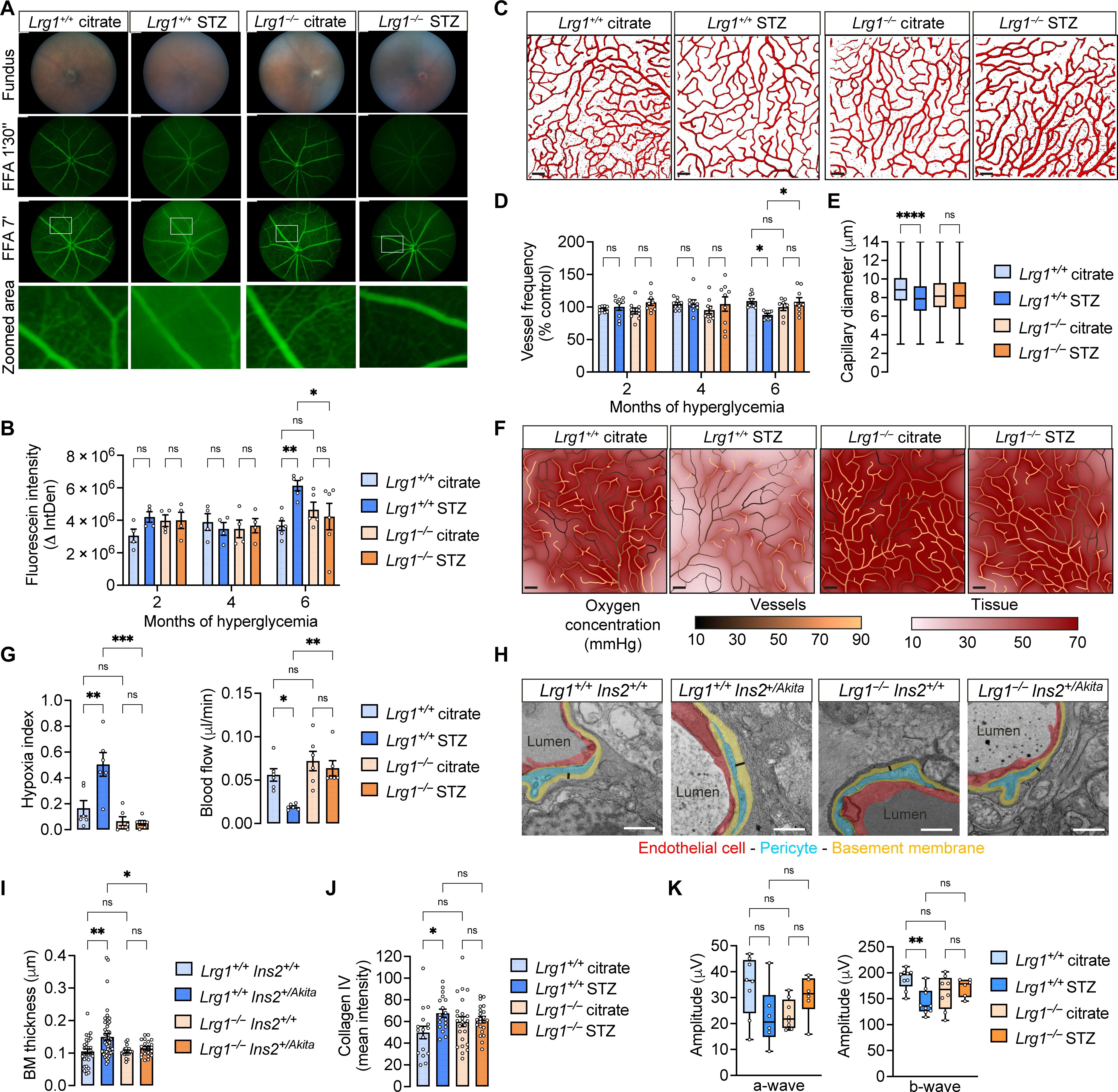
![[thumbnail of Figure 2]](https://discovery.ucl.ac.uk/10216003/6/De%20Rossi_scitranslmed.adn6047-f2.jpg)  Preview |
Image (Figure 2)
De Rossi_scitranslmed.adn6047-f2.jpg Download (2MB) | Preview |
![[thumbnail of Figure 3]](https://discovery.ucl.ac.uk/10216003/7/De%20Rossi_scitranslmed.adn6047-f3.jpg)  Preview |
Image (Figure 3)
De Rossi_scitranslmed.adn6047-f3.jpg Download (3MB) | Preview |
![[thumbnail of Figure 4]](https://discovery.ucl.ac.uk/10216003/8/De%20Rossi_scitranslmed.adn6047-f4.jpg)  Preview |
Image (Figure 4)
De Rossi_scitranslmed.adn6047-f4.jpg Download (4MB) | Preview |
Abstract
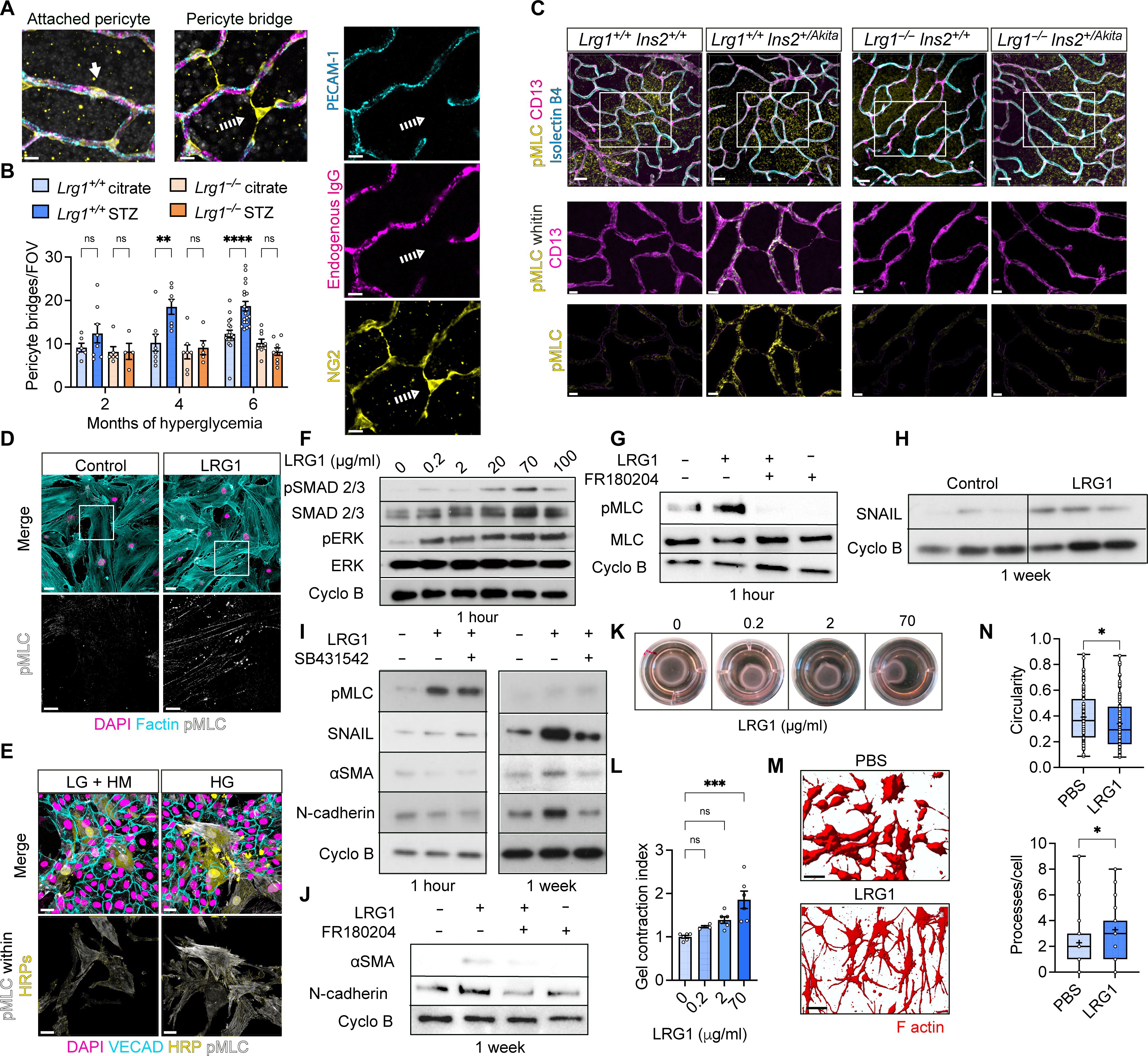
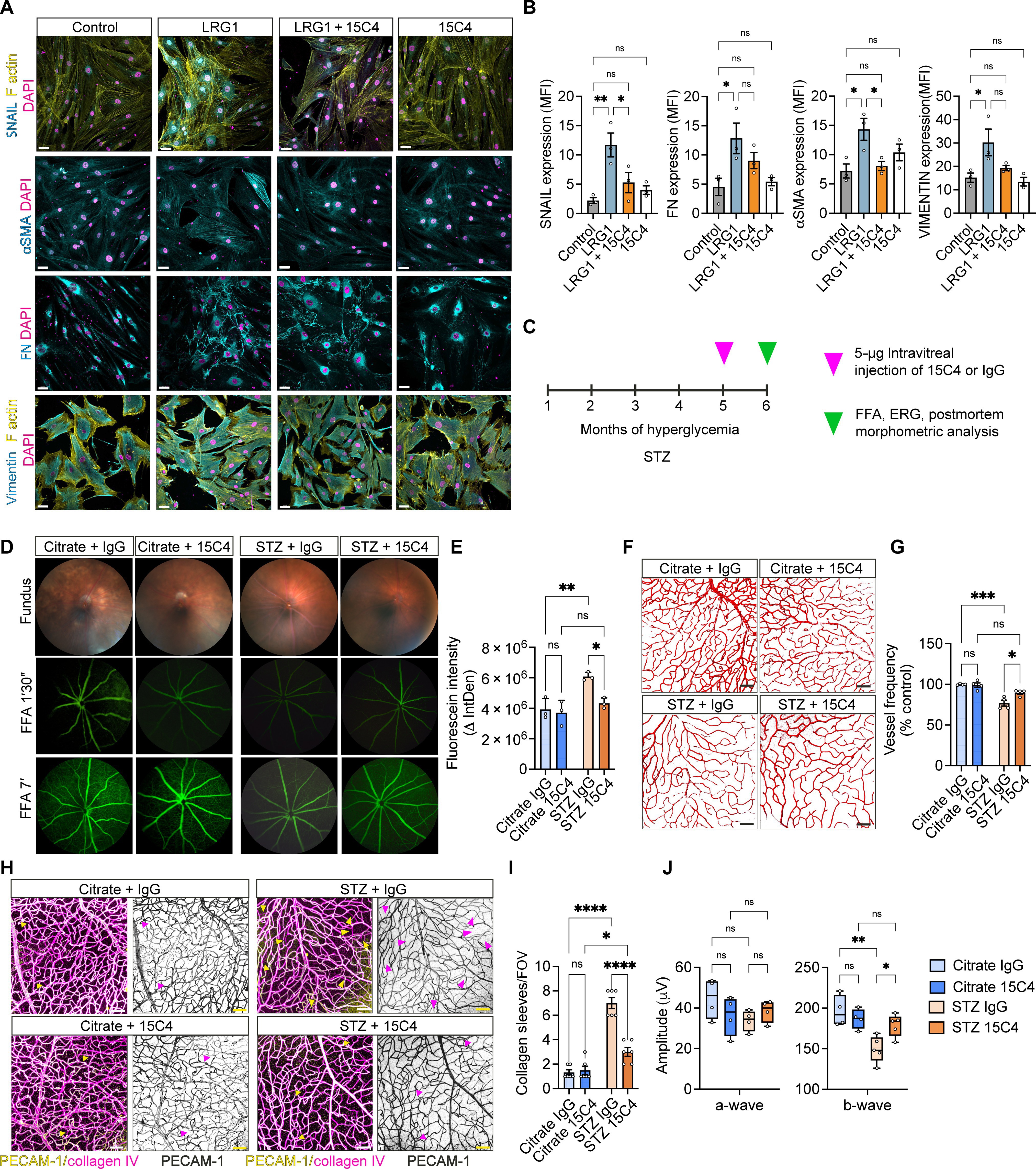
Diabetic retinopathy (DR) is a common complication of diabetes mellitus and a leading cause of visual impairment and blindness in the working-age population. The early stage of the disease is characterized by retinal capillary dysfunction, but the mechanisms whereby hyperglycemia disturbs capillary homeostasis at this initiating stage are poorly understood, posing a barrier to the development of effective early treatments. We used two mouse models of type I diabetes that replicate early features of human retinal vascular pathology. In both the streptozotocin (STZ) model, where hypoinsulinemia is chemically induced, and in the Ins2Akita model, which develops it spontaneously because of a mutation in the insulin gene, we observed early induction of the secreted glycoprotein gene leucine-rich α-2-glycoprotein 1 (Lrg1). Using the Ins2Akita mice, we showed that Lrg1 induction preceded that of vascular endothelial growth factor A (Vegfa). LRG1 initiated retinal microvascular dysfunction by modifying transforming growth factor–β (TGFβ) signaling in pericytes, driving transdifferentiation to a more contractile fibrotic phenotype, resulting in narrower capillaries and thickened basement membrane. Using computational modeling, we showed that these early vascular changes impaired retinal blood flow and oxygen delivery, consistent with a defect in visual transduction observed in both models. This early retinal phenotype could be rescued by Lrg1 knockout or by treatment with an LRG1 function–blocking antibody in both the STZ and Ins2Akita mice. These results demonstrate that LRG1 is a driver of vascular dysfunction that contributes to the onset of DR and presents itself as a potential preemptive therapeutic target.
| Type: | Article |
|---|---|
| Title: | Leucine-rich α-2-glycoprotein 1 initiates the onset of diabetic retinopathy in mice |
| Open access status: | An open access version is available from UCL Discovery |
| DOI: | 10.1126/scitranslmed.adn6047 |
| Publisher version: | https://doi.org/10.1126/scitranslmed.adn6047 |
| Language: | English |
| Additional information: | This version is the author accepted manuscript. For the purpose of open access, the author(s) has applied a Creative Commons Attribution (CC BY) licence to any Author Accepted Manuscript version arising from this submission. |
| UCL classification: | UCL UCL > Provost and Vice Provost Offices > School of Life and Medical Sciences UCL > Provost and Vice Provost Offices > School of Life and Medical Sciences > Faculty of Brain Sciences UCL > Provost and Vice Provost Offices > School of Life and Medical Sciences > Faculty of Brain Sciences > Institute of Ophthalmology |
| URI: | https://discovery.ucl.ac.uk/id/eprint/10216003 |

Archive Staff Only
 |
View Item |